
I hear some version of this on almost every introductory call as a real estate photographer in Orlando: “We found someone who can do it for $125.” And my response is always the same — if you’re shopping on price alone, there will always be someone cheaper. If you’re looking for photos that actually move the listing and make you look good in front of your client, that’s a different conversation.
This post is about that difference.
What $125 Looks Like in Practice
I’ve re-shot a lot of listings in Orlando. For agents who tried to cut costs, for homeowners who thought their phone would be good enough, and for clients who booked one of the high-volume operations that will send anyone with a camera to your door.
The complaints are almost always the same.
The lighting was off. The angles were wrong. The photos looked flat, or over-processed, or inconsistent from room to room. And more than once, an agent has mentioned that the photographer showed up, jumped out of the car, and started shooting. No tripod. No additional lighting. In and out in 15 minutes.
You can feel that in the photos. Buyers can too, even if they can’t articulate why.
The Editing Problem
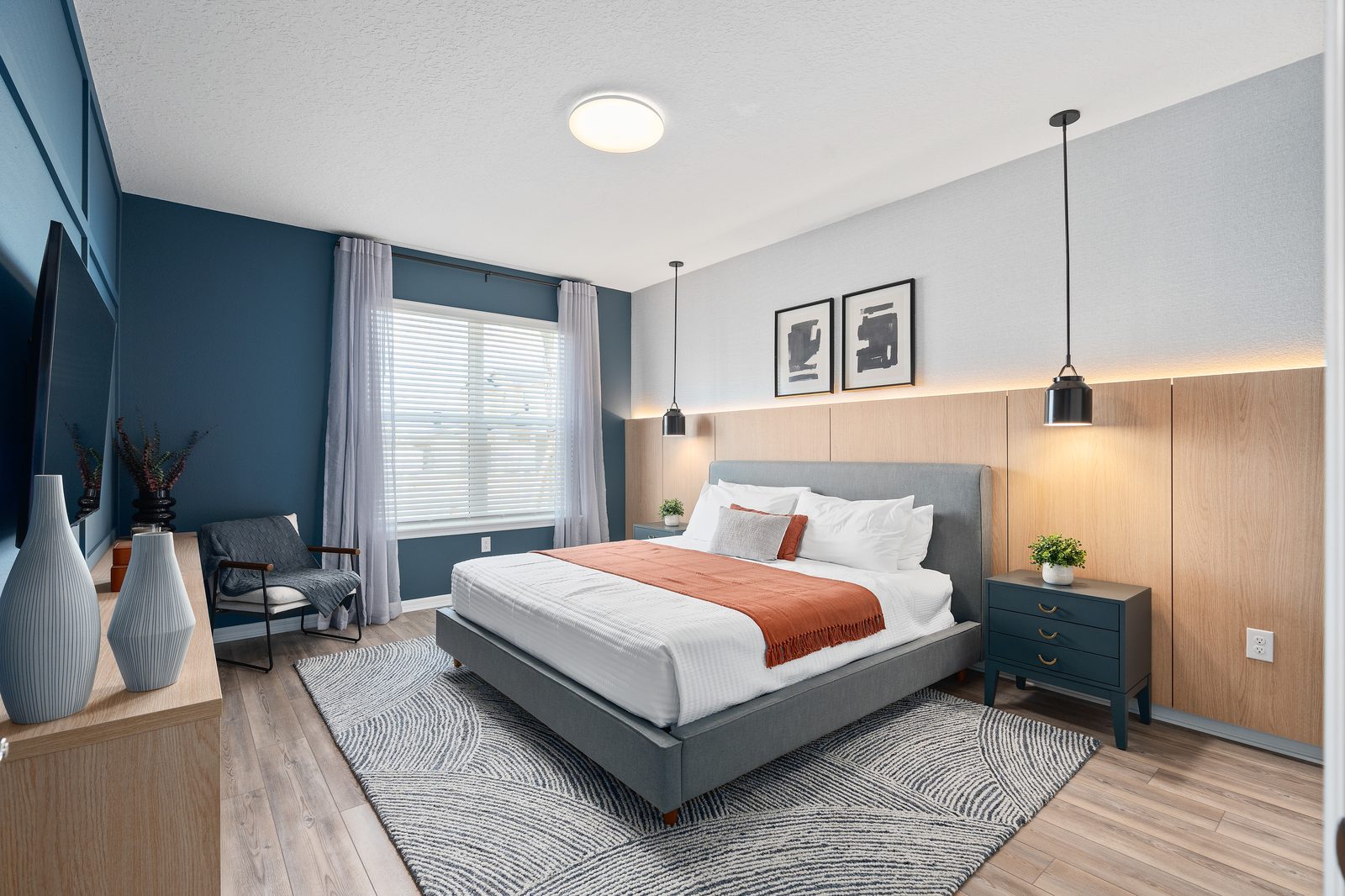
AI has become a useful tool in photography — when it is applied on top of a strong, well-exposed foundation image. Think of it like building a house: no matter how skilled the crew, if the foundation is off, nothing built on top of it will sit right. The same is true in photography. A properly exposed, properly framed, and properly composed image gives editors — and AI tools — something worth working with. A poorly shot image gives them nothing to save.
The problem with many budget operations is not that they use AI in editing. It is that they rely on it to compensate for images that were not captured correctly in the first place. The results tend to show it: photos that are desaturated and flat, or over-processed with an HDR look that makes a home feel artificial rather than inviting. We handle all of our editing in-house, with a team that applies consistent standards to images that were already captured correctly. The tools we use finish strong work. They do not try to rescue weak work.
The “You Never Know Who You’re Getting” Problem
The larger volume operations in Orlando have a staffing model that creates a real problem for agents: you book a shoot, and whoever shows up is whoever is available. The quality varies. The style varies. The experience varies. Agents who use these services regularly tell me the same thing — they never know what they’re going to get, and they’ve stopped being able to predict what the final images will look like.
That unpredictability doesn’t just affect the photos. It affects how you look in front of your seller. When you bring in a photographer your client has never heard of and the results are disappointing, that reflects on you.
What a Real Relationship with Your Photographer Looks Like
When agents work with us consistently, something shifts. They know who is walking through the door. Their sellers know what to expect. The photographer knows the agent’s preferences, their typical listings, the way they like rooms framed. That familiarity shows up in the work.
There’s something else that comes with that consistency — the ability to say to a client, “I’ll have my photographer reach out to you,” or “Kismet will come out and take care of all the media.” That’s not a small thing. It signals to the seller that their agent has a trusted team in place, not just a vendor they found online. It makes the agent look more professional, more prepared, and more invested in the outcome.
That kind of relationship is impossible to build with a rotating roster of shooters from a high-volume operation. It only works when you know who you’re working with.
We send a preparation checklist before every shoot and take the time to make sure the home is actually ready before we start shooting. Every image is captured on a tripod — not for convenience, but for precision. A tripod means straight verticals, accurate composition, and images that are sharp and stable at every focal length. We pair that with professional-grade equipment, top-quality lenses, and advanced lighting techniques that work with the natural light in each room rather than fighting it. We take the time to get the exposure right before we move on. Photos are delivered the next day. Video within three to five days. 3D virtual tours the following day.
That’s not a luxury tier of service. That’s what professional real estate photography is supposed to look like.
The Real Cost of Cutting Corners
Here’s what I’ve seen play out more times than I can count: an agent saves $175 on photography, the photos come back flat or inconsistent, the listing sits longer than it should, and eventually someone calls us to re-shoot. By that point the home has been on the market for weeks, buyer interest has cooled, and the agent is having a harder conversation with their seller than they expected.
The photography is one of the least expensive line items in a real estate transaction. It is also one of the few things that directly controls how many buyers walk through the door. Cutting that corner first rarely saves money in the end.
A Final Thought
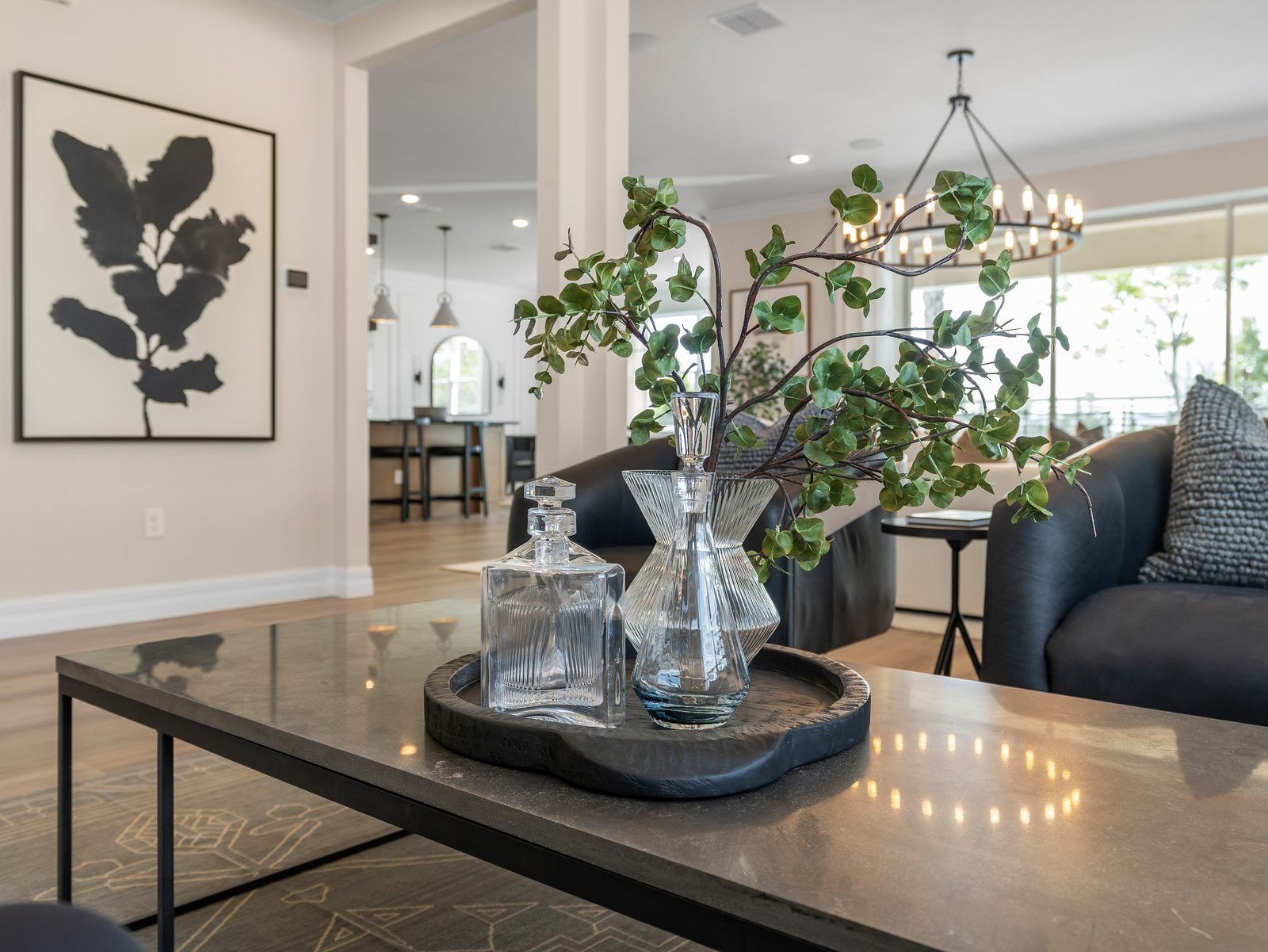
Being the cheapest is not what we do. As a real estate photographer in Orlando, we would rather be the best option for agents and homeowners who understand that the photos are not just a box to check — they are the first impression every buyer gets of the home, and they deserve to be done right.
If that is what you are looking for, we would love to talk.